
The Role of Skill in Casino Games
While luck often takes center stage in popular perceptions of casino gaming, skill plays a significant role in determining outcomes as well. For instance, games like poker and blackjack require a strategic approach, where players can influence their chances of winning through careful decision-making. Players interested in maximizing their potential might explore options like $10 neosurf casino australia , which can provide valuable insights into effective strategies. Understanding probabilities, calculating pot odds, and knowing when to assert aggressive tactics or fold can dramatically shift a player’s success over time. In these scenarios, the implementation of skill can often outweigh the influence of luck.
Moreover, skillful players continually refine their strategies by studying the game, analyzing their opponents, and adapting to different scenarios. For example, in poker, experienced players recognize the importance of reading body language and betting patterns, which can provide key insights into an opponent’s potential hand. This depth of understanding leads to making informed bets and plays, showcasing that winning at the table isn’t solely reliant on the cards dealt, but also on the mental acuity of the player.
Another area where skill impacts winnings is in the realm of slot machines, specifically with progressive jackpots and certain video slots. While these games are predominantly based on chance, knowledgeable players can maximize their chances by understanding payout structures and betting strategies. For example, some players opt for machines that have higher return-to-player rates or choose to bet the maximum amount, which could lead to larger payouts. This application of skill and strategy can potentially yield better outcomes over time, challenging the narrative that luck is the sole determinant of success.
The Influence of Game Selection
The choice of game significantly influences one’s chances of winning in a casino environment. Each game has different odds and house edges, which reflect the likelihood of winning over time. For instance, table games like roulette and baccarat generally have higher house edges compared to games like blackjack and video poker. This means that, when selecting games, players who do their homework can choose options that provide better winning potential, thus increasing their overall chances of success.
Furthermore, selecting games that align with one’s skill level is crucial. Novice players may place themselves at a disadvantage by engaging in highly strategic games without any prior knowledge or practice. In contrast, a player well-versed in blackjack, with a solid understanding of basic strategy charts, can make informed decisions that improve their odds. Even the psychological aspect of feeling comfortable with a game can enhance performance, as players who enjoy their chosen games are often more focused and in tune with the dynamics of play.
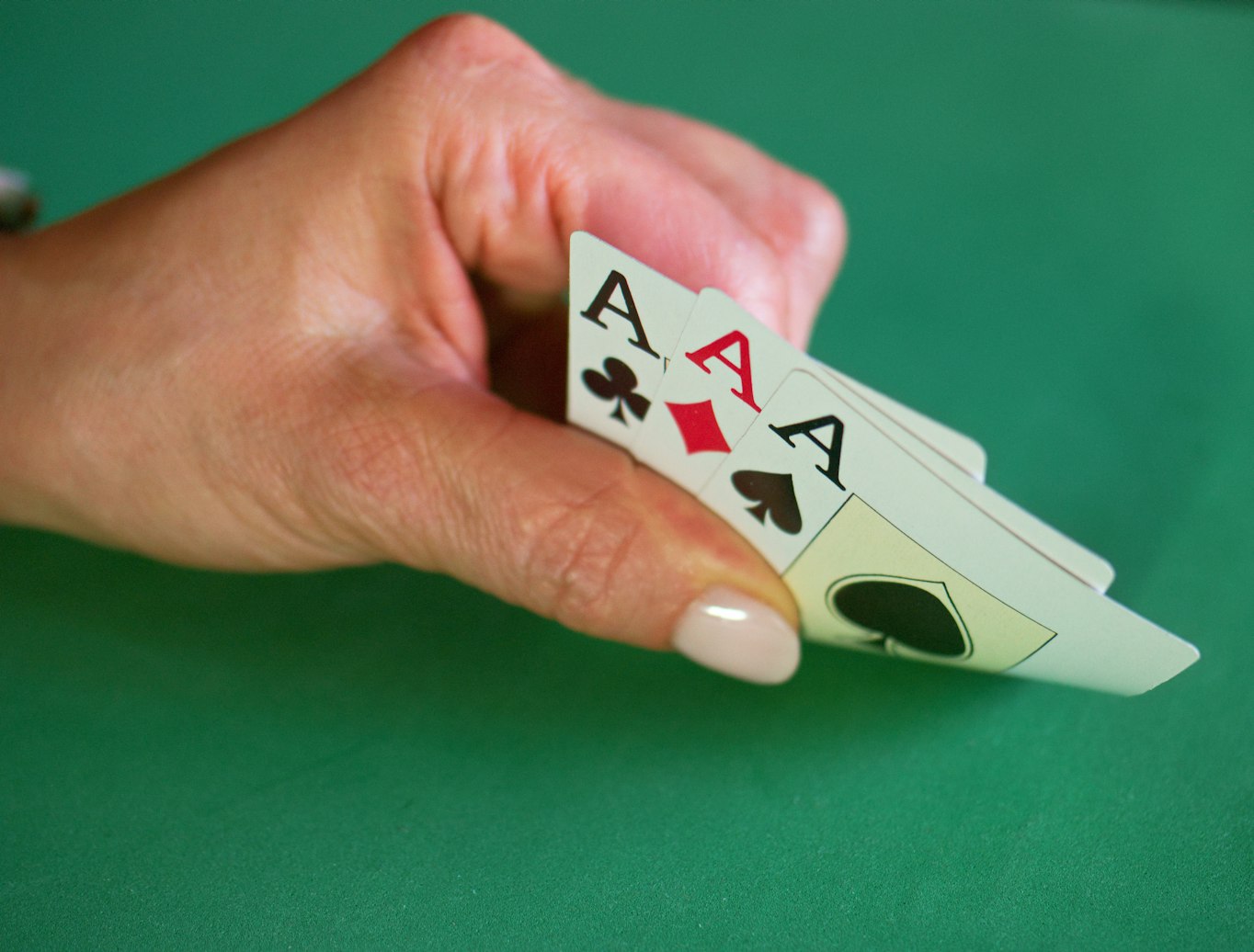
Additionally, players also consider the social aspects of certain games. Social casino games, such as poker, allow players to interact and compete against each other, which can add layers of strategy and tactics. Skilled players not only rely on their cards but also engage in bluffing and reading rival players, turning the outcome into a competition of wits rather than mere chance. Therefore, the selection of games that match a player’s skill set and interests can have a profound impact on their overall winnings.
The Importance of Bankroll Management
Bankroll management is a foundational component of successful gambling that often gets overlooked in discussions of luck and skill. A well-managed bankroll allows players to navigate the ups and downs of the gaming experience without risking financial distress. By setting limits on how much money they are willing to lose and sticking to those limits, players create a buffer that enables rational decision-making during play. This discipline can prevent reckless behavior often triggered by the emotional highs and lows of gambling.
Effective bankroll management also involves understanding when to walk away. Knowing when to cut losses or celebrate wins can prevent players from chasing losses or overstaying their welcome at the tables. For instance, a common strategy is to set win and loss limits, allowing players to establish a clear exit strategy. This helps maintain a level-headed approach even during streaks of bad luck, thus increasing the likelihood of enjoying a positive gaming experience when luck does favor them.
Moreover, adapting your betting strategy based on bankroll size is crucial for longevity in casino play. Players with larger bankrolls might adopt a more aggressive betting style, while those with smaller amounts may choose to play conservatively. This flexibility not only extends the duration of play but also provides the opportunity to capitalize on good fortune when it arises. As a result, sound bankroll management not only aids in sustaining play but directly influences the chances of winning, demonstrating that it’s an essential aspect beyond mere luck.
The Psychological Factors at Play
The psychology of gambling can’t be ignored when considering factors that contribute to winnings. Mental states and emotions play a significant role in decision-making processes at the casino. For example, players who are more confident in their choices are likely to make better bets and decisions than those who are overwhelmed by anxiety or fear. Positive mental states can boost a player’s performance, while negative emotions can lead to poor choices driven by frustration or desperation.

Furthermore, cognitive biases can distort a player’s perception of their odds. The “gambler’s fallacy,” where players mistakenly believe that past outcomes will influence future events, can lead to irrational betting behavior. For example, if a player observes a particular number not appearing in a roulette game for several spins, they may irrationally believe it is “due” to come up soon. Recognizing these psychological traps can help players maintain a clearer focus on the game, making more informed and rational decisions.
Lastly, the importance of social interaction in gambling should not be understated. Engaging with other players can create a more enjoyable atmosphere and alleviate stress, ultimately impacting performance. Social players often exchange tips and strategies, which can enhance the gameplay experience. This sense of community can lead to greater satisfaction and potentially better decision-making, further emphasizing that success in casino gaming stems from more than just luck.
Conclusion and Insights from our Website
Understanding the multifaceted nature of casino winnings reveals that luck isn’t the only player in the game. By embracing strategy, selecting games judiciously, managing finances wisely, and harnessing psychological insights, players can significantly enhance their gaming experience. Each of these elements collectively contributes to a more informed approach to gambling, where informed decisions can pivot the balance of luck in one’s favor.
Our website is dedicated to providing players with comprehensive resources and tools to navigate the complex world of casino gaming. We offer insights into game strategies, bankroll management techniques, and psychological tips that help players harness control over their gaming experiences. By empowering players with knowledge, we aim to reshape the narrative surrounding casino winnings, highlighting the blend of skill and strategy required for sustained success.
In addition to offering expert advice, our platform also features forums for players to share their experiences, discuss strategies, and learn from one another. Engaging with a community of like-minded individuals can inspire players to refine their skills and approach the game with renewed confidence. Ultimately, the journey through the casino landscape becomes not just about luck but a rich tapestry of skillful play and community support.